

Comprehensive Production Management with Excel Server
Production management is a general term for all management tasks related to establishing and operating a company's production system. Through production organization, a technically feasible, economically viable, and environmentally friendly system is established based on corporate goals. The ultimate objective is to achieve maximum output with minimum input, thereby yielding optimal economic benefits and enhancing the overall competitiveness of the enterprise.
Digital Transformation Milestone: With the development of information technology, software-based production management has become a core medium. The application of technology helps businesses master processes, speed, quality, and labor efficiency; thereby reducing costs and ensuring stable product quality.
Basic Contents of Production Management Software
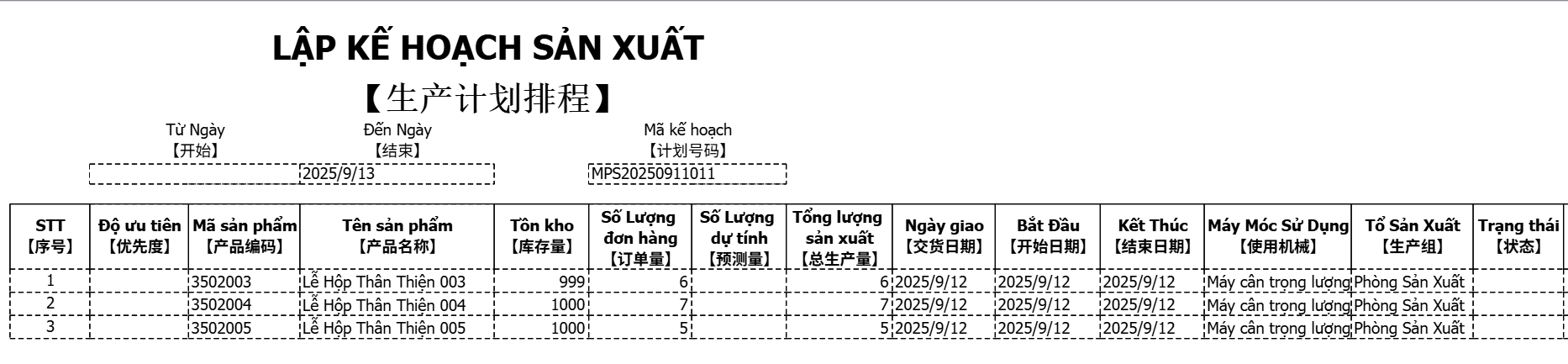
1. Formulating Production Plans
Production plans mainly include daily, weekly, and monthly plans. In principle, the production department plans based on the marketing department's sales plan to avoid a disconnect between supply and demand, which causes waste. When the market fluctuates, plans will be based on past shipments and current inventory levels.
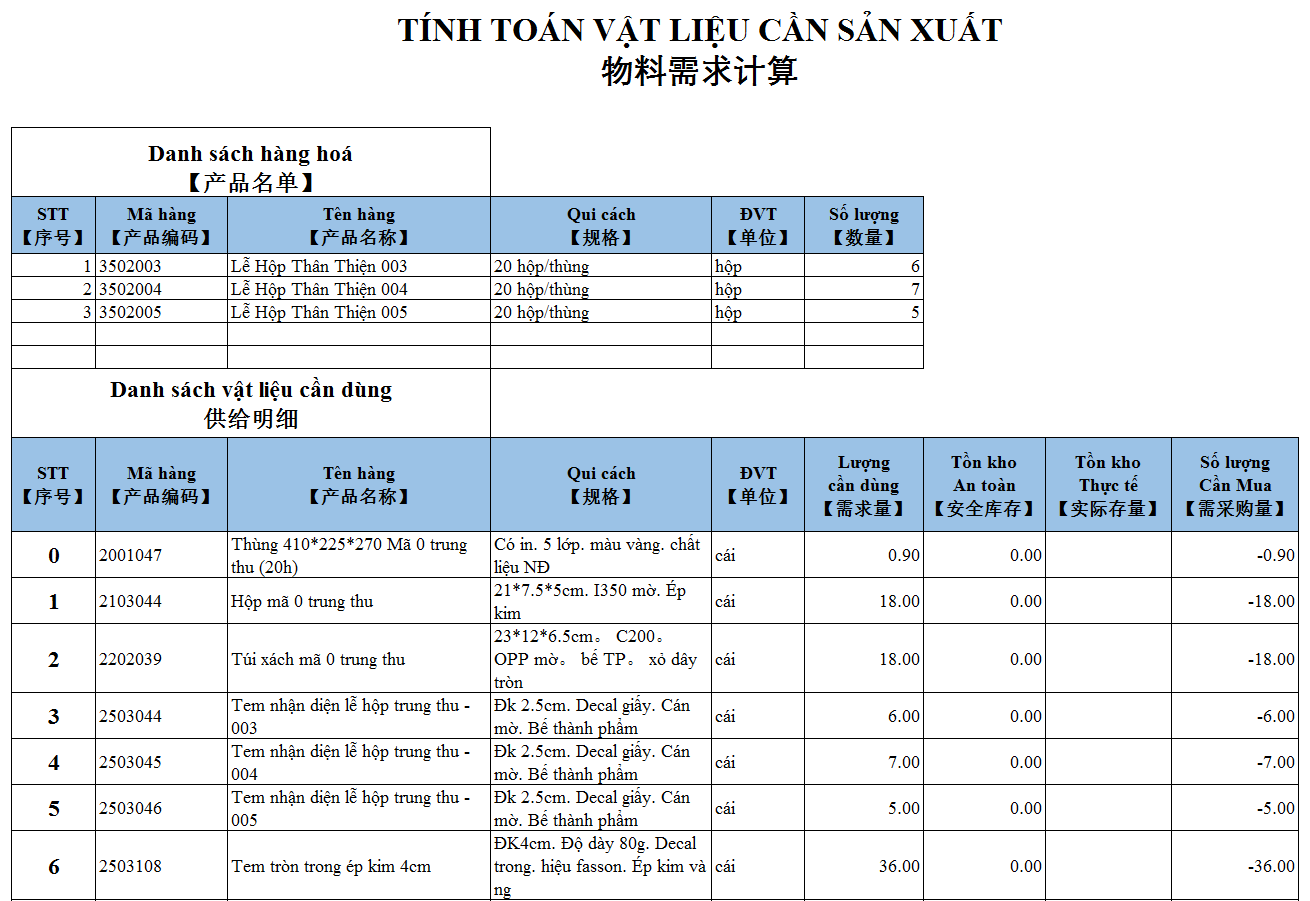
2. Controlling Material Supply
Although procurement belongs to the purchasing department, the production department must always monitor the real-time inventory of raw materials. This helps adjust production promptly and notify the marketing department before a shortage occurs, minimizing the risk of supply chain disruption.
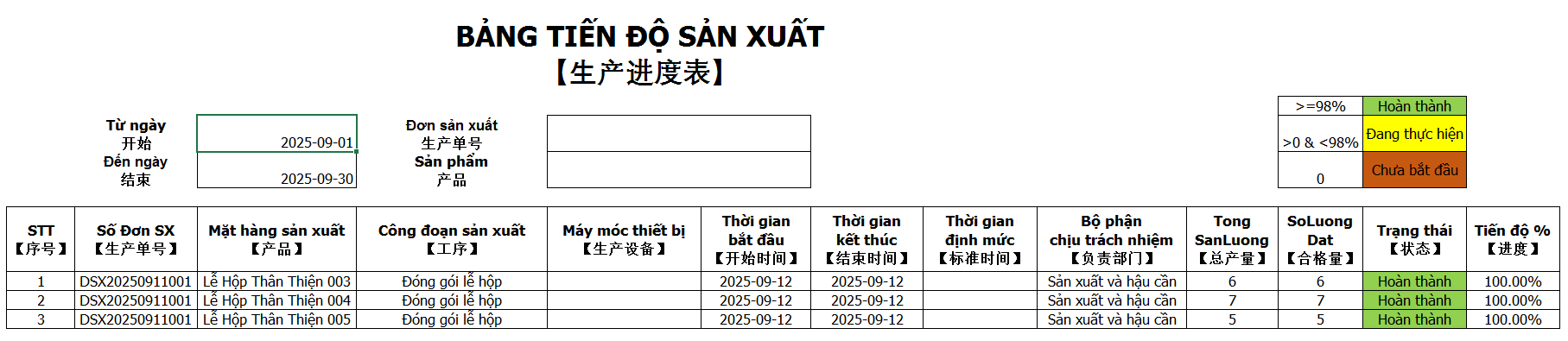
3. Tracking Production Progress
To complete the established plan on time, production management must continuously check actual progress. At least once a day, the system will help compare actual production performance with the plan to detect bottlenecks and implement immediate corrective measures.
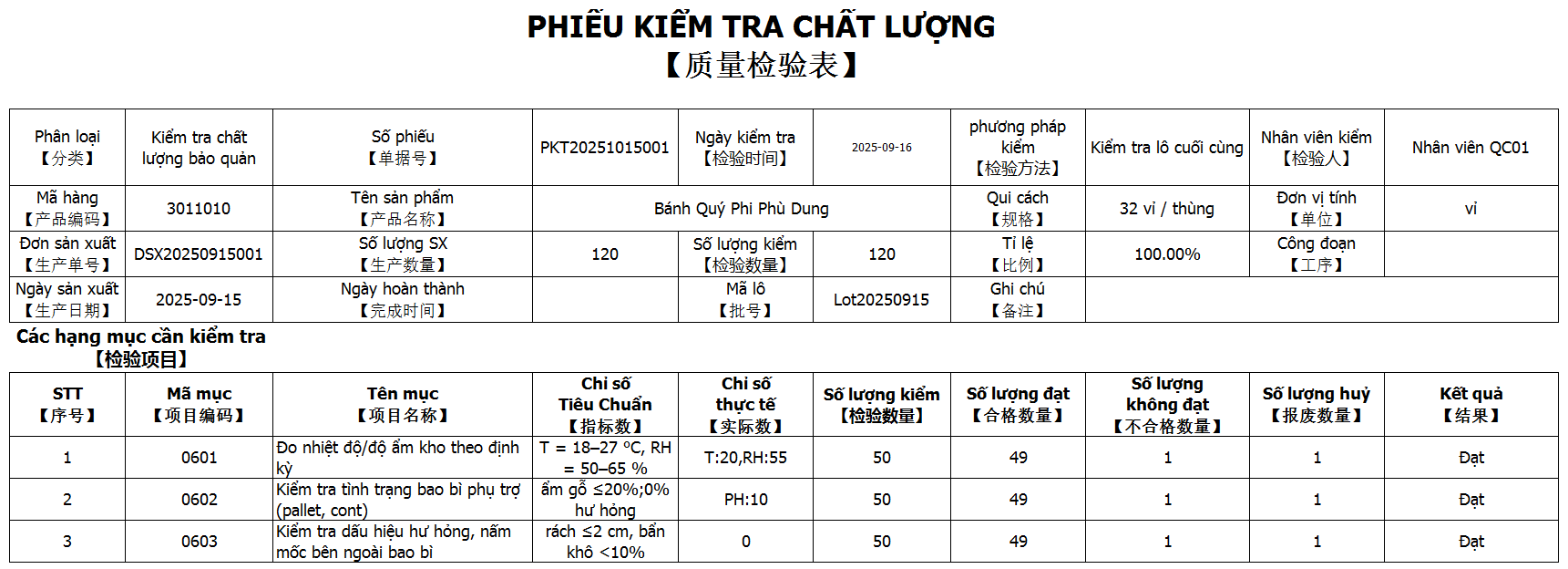
4. Product Quality Management (QA/QC)
Quality is measured by two main indicators: process defect rate and batch inspection defect rate. The software not only visually displays defect data but also supports tracking issues to their root cause, helping managers implement continuous improvement.
Core Values of Software Application
Using the system for production management brings a closed-loop process: high efficiency, low consumption, flexibility, and accurately meeting customer expectations.
1. Optimal Efficiency
Quickly responds to market demands, shortens the cycle from ordering to delivery, and creates a major advantage for marketing and sales.
2. Low Consumption (Lean)
Strict process control helps minimize the consumption of human, material, and financial resources, thereby achieving the lowest costs and prices.
3. Flexibility
Data analysis capabilities help the factory adapt quickly to market changes, meeting the continuous production needs of various new models.
4. On-Time Delivery (Just-in-Time)
Every stage from supply and production to warehousing is synchronized, helping to provide products in the exact time and quantity committed to partners.
5. High-Quality Service
Enhances the consistency of output products, minimizes errors, and raises customer satisfaction and loyalty to the highest level.